Mongolia Expedition 2026
Example 17 day Itinerary
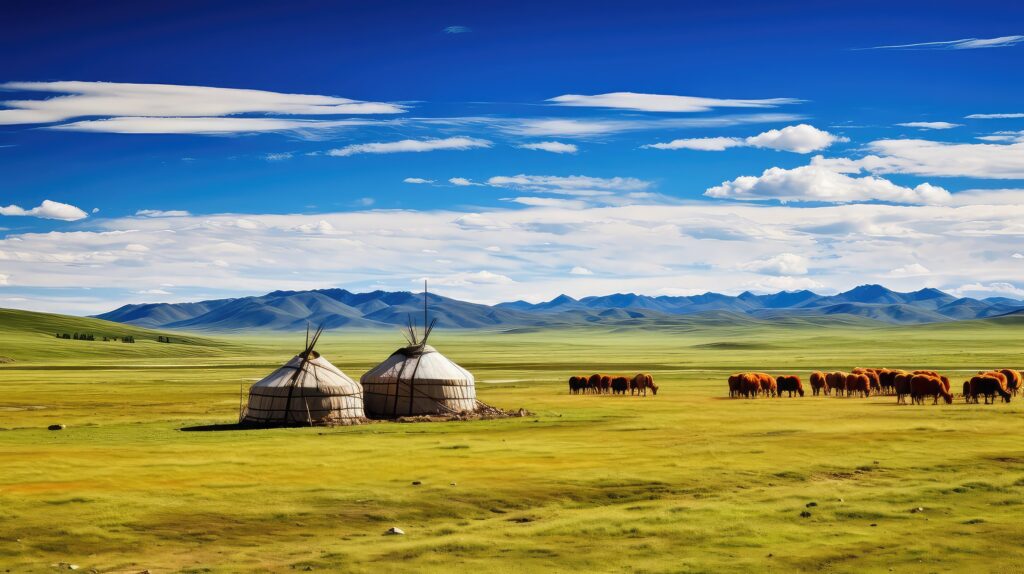
Desert – Lakes – Mountains – Monasteries – Sacred Landscapes
This journey is a deep overland expedition across Mongolia, travelling through vast deserts, ancient capitals, sacred valleys, volcanic regions and pristine nothern lakes.
Designed for travellers seeking connection, culture, nature and inner stillness, this is not a rushed tour, but a slow, immersive crossing of the country.
Day 1
Ulaanbaatar (UB)
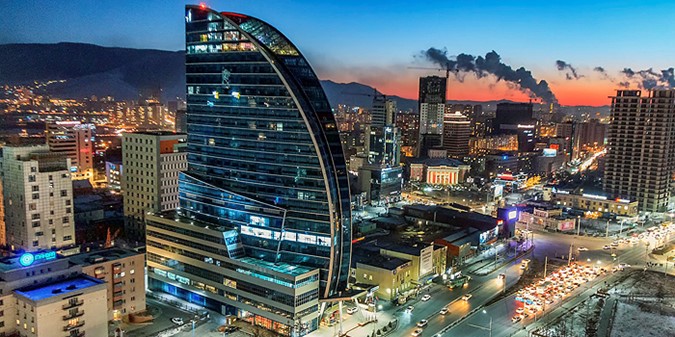
Arrival & Orientation
Arrive in Mongolia’s capital, where modern life meets ancient tradition. After airport pickup, we settle into the hotel and take time to rest and acclimatise. Depending on arrival time, we may explore Sukhbaatar Square, visit a local market for supplies, or enjoy a traditional Mongolian meal.
This day allows grounding after international travel and preparation for the journey ahead.
Overnight: Hotel
Terrain: City
Focus: Arrival, orientation, rest
Day 2
Ulaanbaatar (UB) > Baga Gazrin Chulu
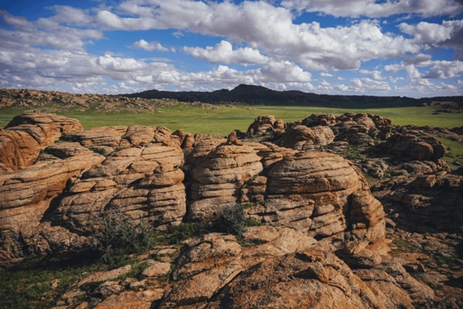
Granite Rock Formations & Sacred Silence
We leave the city and drive into the semi-desert landscape of Middle Gobi. Baga Gazriin Chuluu is a dramatic granite formation rising unexpectedly from the plains, known for its caves, meditation sites, and nomadic legends.
We explore on foot, discovering hidden rock shelters and wide open spaces ideal for quiet reflection.
Overnight: Ger camp
Terrain: Semi-desert, granite formations
Focus: Nature immersion, grounding, photography
Day 3
Baga Gazriin Chuluu > Tsagaan Suvarga (White Stupa)
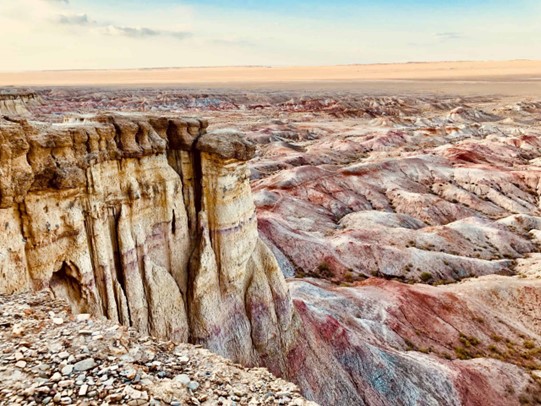
Ancient Seabed Cliffs
Tsagaan Suvarga, meaning “White Stupa,” is a striking escarpment formed from ancient seabeds millions of years ago. The colourful layers of limestone glow at sunrise and sunset, creating one of Mongolia’s most iconic landscapes.
We walk along the cliff edge, descend into the formations, and experience the vast geological history beneath our feet.
Overnight: Ger camp
Terrain: Desert cliffs
Focus: Earth history, awe, contemplation
Day 4
Tsagaan Suvarga > Yolyn Am (Yol Valley)
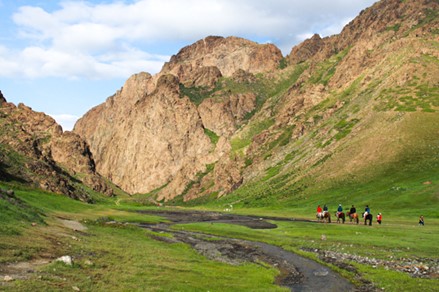
Ice Canyon in the Desert
We enter Gobi Gurvansaikhan National Park and reach Yolyn Am, a deep mountain valley famous for its permanent ice fields. Even in summer, ice remains tucked between towering rock walls.
A gentle walk through the canyon reveals dramatic contrasts—desert heat outside, cool mountain air within.
Overnight: Ger camp
Terrain: Mountain valley
Focus: Walking, contrast of landscapes
Day 5
Yol Valley > Nemeget Valley
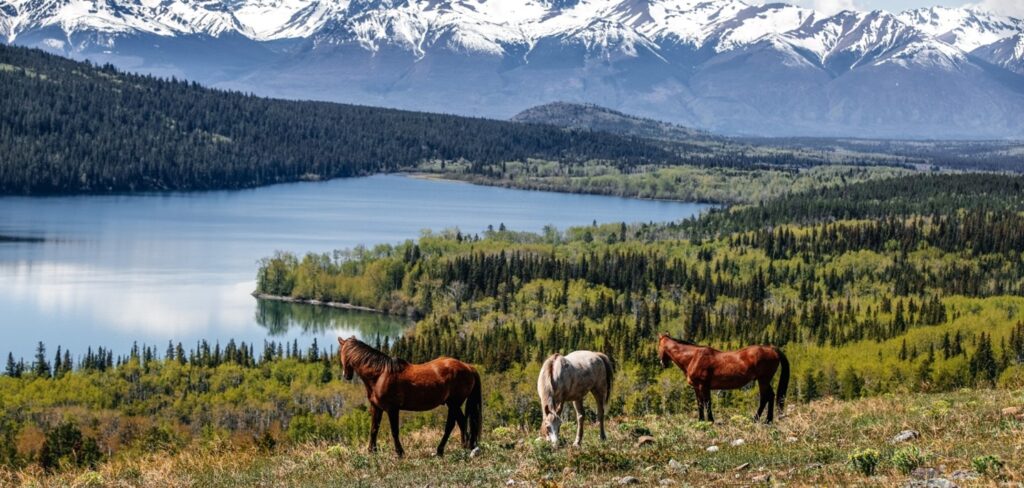
Remote Gobi Wilderness
Nemeget Valley is one of the most remote and least visited parts of the Gobi. Known for dinosaur fossil discoveries and vast emptiness, this area feels raw and untouched.
This is a quieter day—less sightseeing, more presence—allowing travellers to feel the immensity and solitude of the land.
Overnight: Ger camp
Terrain: Remote desert valley
Focus: Stillness, isolation, inner reflection
Riding: 🐪 Short camel ride (30–45 min)
Day 6
Yol Valley > Nemeget > Khongor Sand Dunes
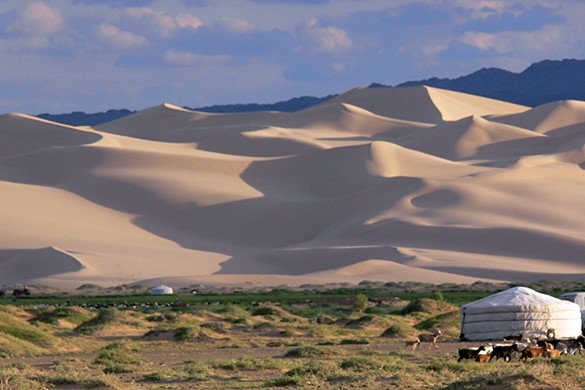
Camel riding at the Singing Dunes
We reach Khongor Sand Dunes, the largest dunes in Mongolia, stretching over 180 km. Often called the “Singing Dunes,” the sand hums when the wind moves across it.
Those who wish can climb the dunes for sweeping views; others may walk at the base or simply absorb the vast desert horizon.
Overnight: Ger camp
Terrain: Sand dunes
Focus: Desert majesty, sunset views
Riding: 🐪 Camel riding (1–2 hrs)
Day 7
Khongor > Bayanzag (Flaming Cliffs) > Ongi Monastery
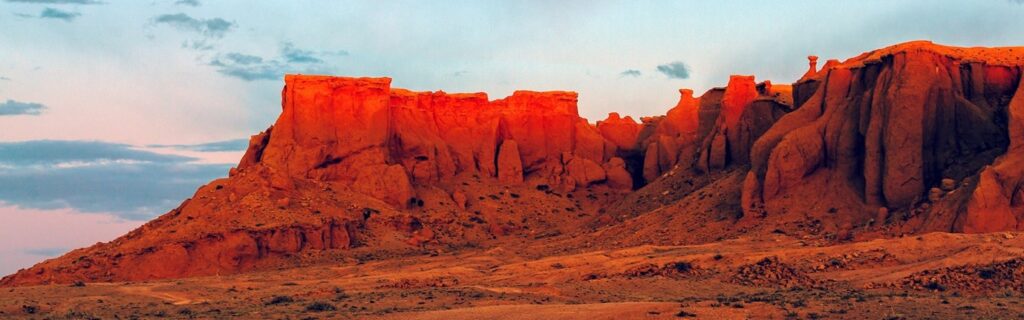
Fire-Coloured Cliffs & Ancient Ruins
Desert to Steppe Transition
Bayanzag, the Flaming Cliffs, is famous for its red sandstone formations and dinosaur discoveries. The cliffs glow intensely at sunset.
Later, we continue north to Ongi Monastery, once one of Mongolia’s largest Buddhist centres, partially destroyed during the purges. The ruins stand quietly beside the river, evoking resilience and loss.
Overnight: Ger camp
Terrain: Desert to steppe
Focus: History, impermanence
Day 8
Ongi > Kharkhorin (Karakorum)
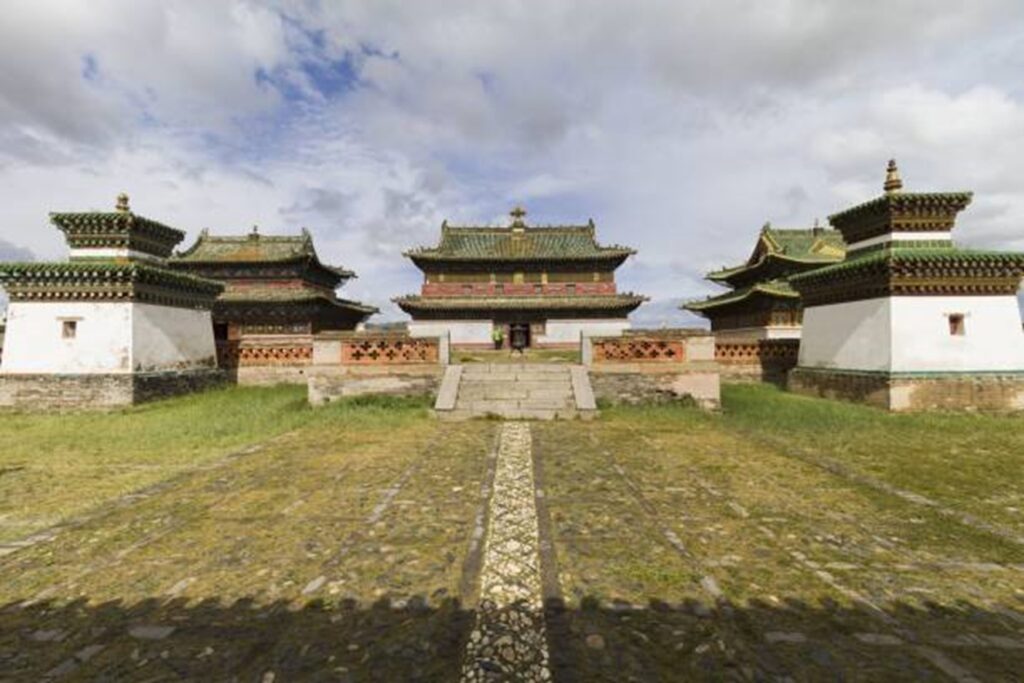
Ancient Capital of the Mongol Empire
Historic Heartland
Kharkhorin was once the capital of Genghis Khan’s empire. We visit Erdene Zuu Monastery, Mongolia’s oldest Buddhist monastery, built with stones from the ancient city.
This area marks a turning point from desert to greener steppe and cultural heartland.
Overnight: Ger camp or hotel
Terrain: Steppe
Focus: Mongol history, Buddhism
Riding: 🐎 Horse riding (1 hr)
Day 9
Kharkhorin > Tuvkhun Monastery
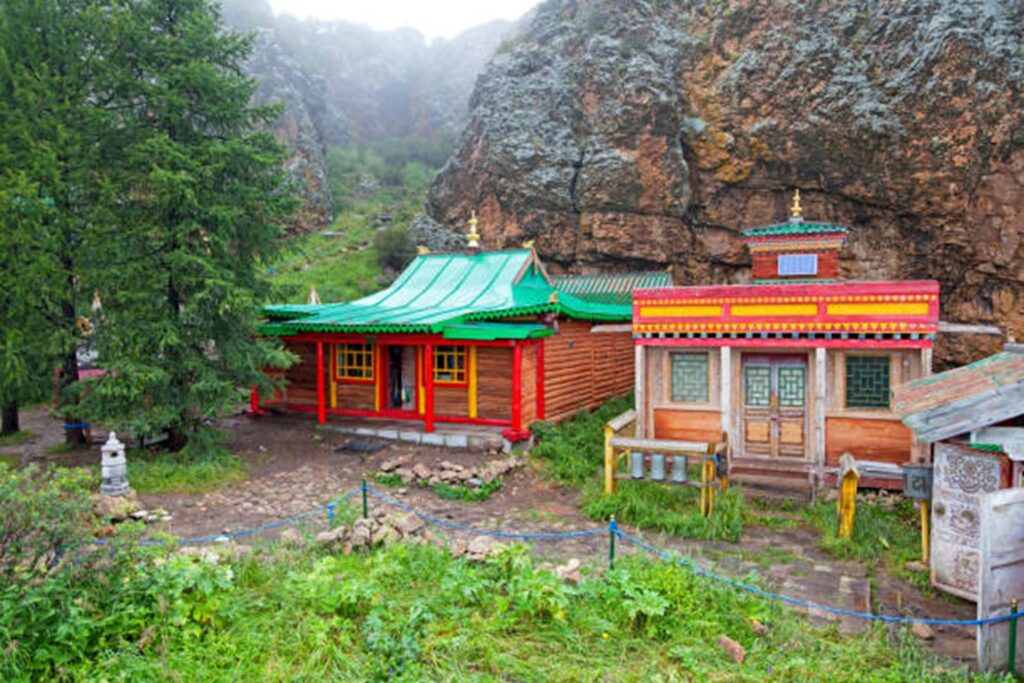
Mountain Retreat of Enlightenment
Forest & Mountain Horses
Tuvkhun Monastery sits high in the forested mountains and was the meditation retreat of Zanabazar, Mongolia’s first spiritual leader.
A short hike leads us through pine forest to this secluded monastery, offering panoramic views and a deeply peaceful atmosphere.
Overnight: Ger camp
Terrain: Forested mountains
Focus: Spiritual reflection, walking meditation
Riding: 🐎 Optional :Horse riding (1–2 hrs)
Day 10
Tuvkhun > Orkhon Waterfall > Tsenkher Hot Springs
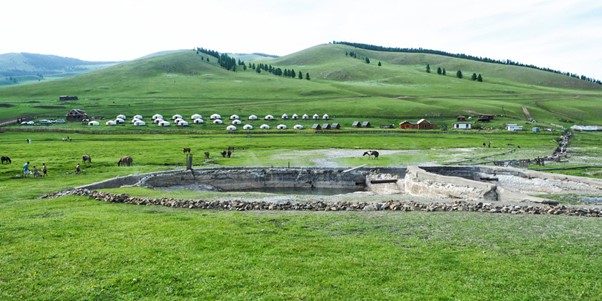
Waterfall & Healing Waters
River Valley Riding & Recovery
We visit Ulaan Tsutgalan (Orkhon Waterfall), formed by volcanic eruptions along the Orkhon River. After exploring the falls, we continue to Tsenkher Hot Springs.
In the evening, we soak in natural mineral hot pools under the open sky—one of the most restorative experiences of the journey.
Overnight: Ger camp
Terrain: River valley, volcanic land
Focus: Relaxation, recovery
Riding: 🐎 Optional :Horse riding (1–2 hrs)
Day 11
Tsenkher > Terkhiin Tsagaan Lake (White Lake)
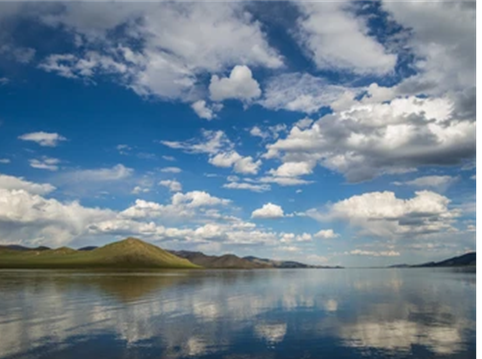
Volcanic Lake & Open Skies
Volcanic Plains on Horseback
Terkhiin Tsagaan Lake lies in a volcanic region surrounded by lava fields and rolling hills. The area feels expansive and clean, with fresh mountain air and wide horizons.
We spend time walking along the lake and enjoying the calm of this remote region.
Overnight: Ger camp
Terrain: Volcanic plateau
Focus: Calm, spaciousness
Riding: 🐎 Horse riding (1–2 hrs)
Day 12
Terkhiin Tsabaan > Zuun Lake
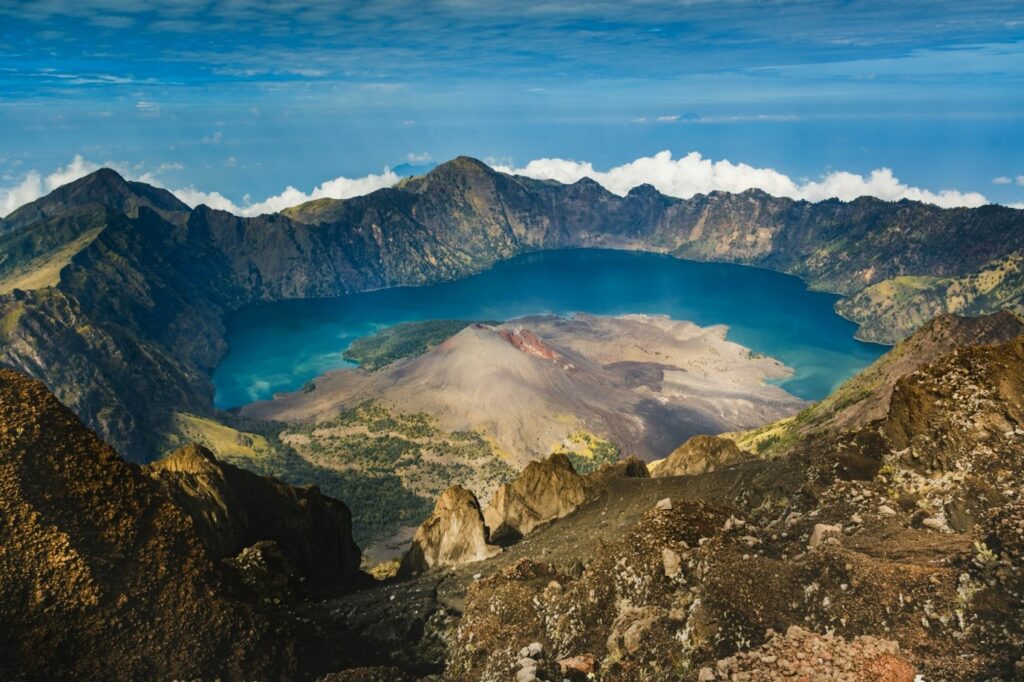
Remote Northern Transition
This is a long driving day as we move deeper north. Zuun Lake is quiet and rarely visited, offering a sense of true remoteness.
This day is about transition—watching landscapes slowly change and settling into the rhythm of long overland travel.
Overnight: Ger camp
Terrain: Steppe and forest
Focus: Journey, endurance, simplicity
Day 13
Zuun Lake > Khuvsgul Lake
Arrival at the Blue Pearl
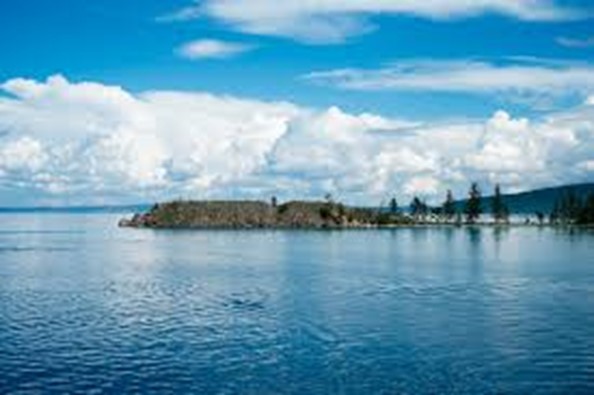
Khuvsgul Lake is Mongolia’s most pristine freshwater lake, often called the “Blue Pearl.” Surrounded by taiga forest and mountains, it feels worlds away from the Gobi.
Arrival is deeply rewarding after the long journey north.
Overnight: Ger camp
Terrain: Forest and alpine lake
Focus: Arrival, renewal
Day 14
Khuvsgul Lake
Rest & Nature Day
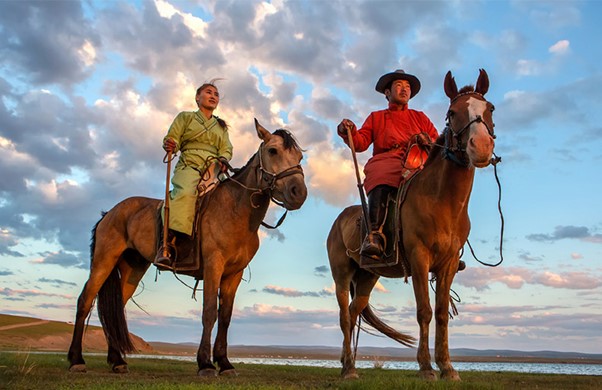
Horse Riding by the Blue Pearl
A full day to enjoy Khuvsgul Lake at a slow pace. Options include lakeside walks, gentle boating, visiting local reindeer herder communities, or simply resting and reflecting by the water.
This is a day of integration and stillness.
Overnight: Ger camp
Terrain: Alpine lake
Focus: Rest, connection with nature
Riding: 🐎 Horse riding (2–3 hrs)
Day 15
Khuvsgul > Uran Togoo Volcano
Ancient Fire & Earth Energy
We travel south to Uran Togoo, an extinct volcano with a walkable crater. The surrounding landscape carries strong volcanic energy and offers sweeping views of northern Mongolia.
A gentle hike brings us to the rim of the crater.
Overnight: Ger camp
Terrain: Volcanic hills
Focus: Earth energy, movement
Day 16
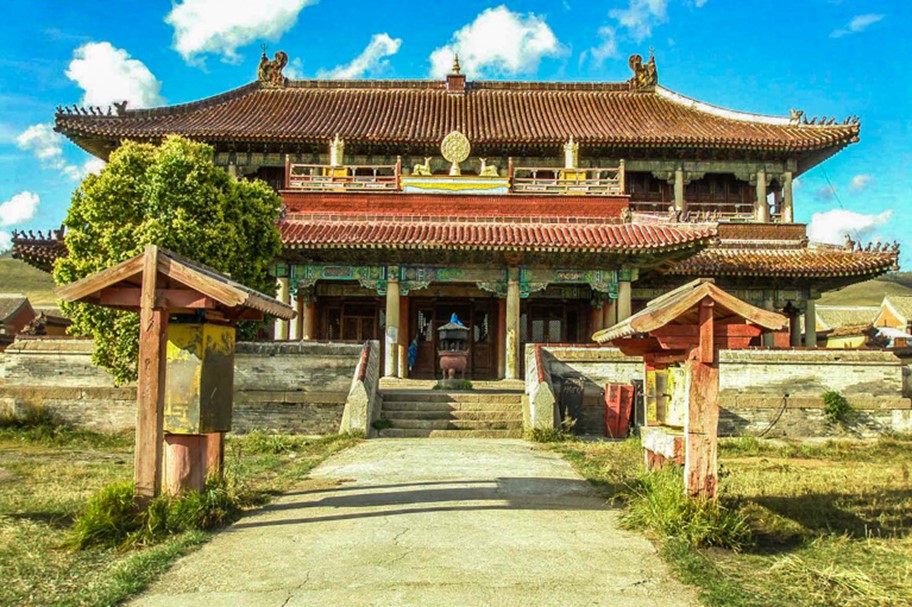
Uran Togoo > Amarbayasgalant Monastery
Remote Northern Transition
This is a long driving day as we move deeper north. Zuun Lake is quiet and rarely visited, offering a sense of true remoteness.
This day is about transition—watching landscapes slowly change and settling into the rhythm of long overland travel.
Overnight: Ger camp
Terrain: Steppe and forest
Focus: Journey, endurance, simplicity
Day 17
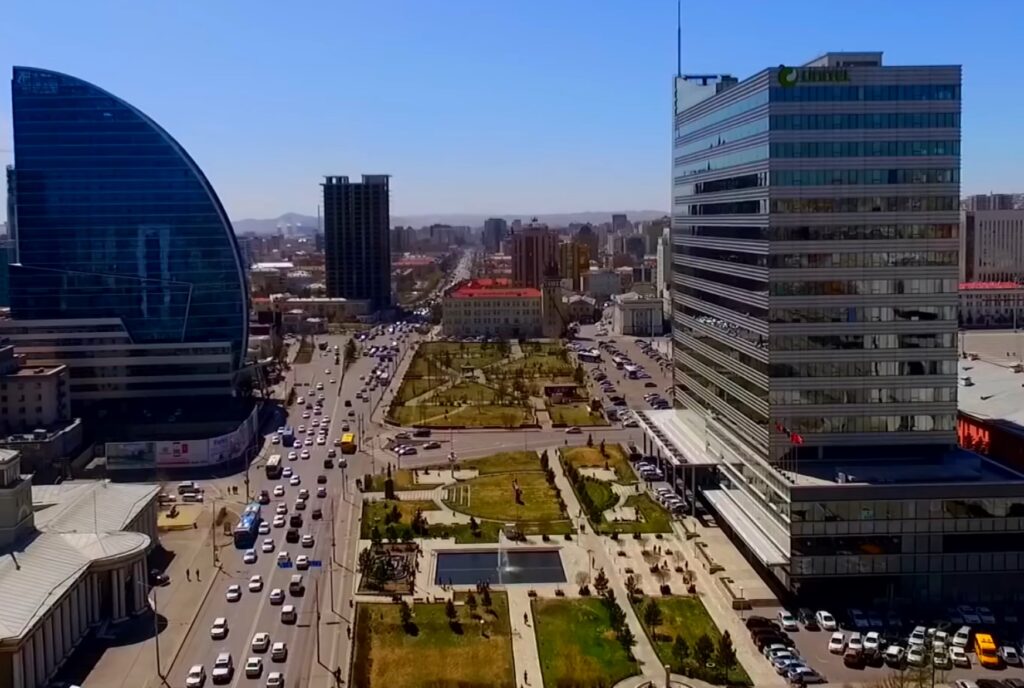
Return to Ulaanbaatar / Tour Completion
Return & Completion
We return to Ulaanbaatar, completing a full overland crossing of Mongolia.
Time for final reflections, farewell dinner, and preparation for onward journeys!